|
|
Core
Hydration - Water Bottles
 These
days almost everyone carries a water bottle. There are all kinds
on the market made up of different types of plastic. Now some groups
are questioning the safety of certain plastics, particularly as
the bottles start to wear. These
days almost everyone carries a water bottle. There are all kinds
on the market made up of different types of plastic. Now some groups
are questioning the safety of certain plastics, particularly as
the bottles start to wear.
Whether
you buy bottled water or conscientiously tote some from home,
you'll want to avoid swallowing chemicals along with it. Particularly
for small children, whose bodies are developing, it's best to
steer clear of plastics that can release chemicals that could
harm them in the long term.
There
are chemicals in some water bottles that consumers have a right
to know about like bisphenoia. It is associated with prostate
disorders, it is associated with lowered sperm counts and it showing
an association with alzheimers and at the other end of life with
learning disabilities.
Below,
the plastics not to choose (check the recycling number on the
bottom of your bottle) and those that are safer:
Plastics
to Avoid
#3
Polyvinyl Chloride (PVC) commonly contains di-2-ehtylhexyl phthalate
(DEHP), an endocrine
disruptor and probable human carcinogen, as a softener.
#6
Polystyrene (PS) may leach styrene, a possible endocrine disruptor
and human carcinogen, into water and food.
#7
Polycarbonate contains the hormone disruptor bisphenol-A, which
can leach out as bottles age, are heated or exposed to acidic
solutions. Unfortunately, #7 is used in most baby bottles and
five-gallon water jugs and in many reusable sports bottles.
Better
Plastics
#1
polyethylene terephthalate (PET or PETE), the most common and
easily recycled plastic for bottled water and soft drinks, has
also been considered the most safe. However, one 2003 Italian
study found that the amount of DEHP in bottled spring water increased
after 9 months of storage in a PET bottle.
#2
High Density Polyethylene
#4
Low Density Polyethylene
#5
Polypropylene
The
sales for bottled water are estimated to be between $50 and $100
billion (US) annually and increasing approximately 7 to 10 percent
annually. In 2004, total sales were approximately 154 billion
liters (41 billion gallons).
In
developed countries, demand is driven by a variety of factors
including convenience, the perception that bottled water may be
safer than local municipal water, and taste preferences. Packaging
and advertising work to foster these perceptions and brand bottled
water in ways similar to branded soft drinks. Though many municipalities,
particularly in the developed world, provide high-quality, highly
regulated, potable water, occasional problems with contamination
from commercial fertilizer, MTBE, or other contaminants are often
widely publicized. Violations of tap water standards are, in the
United States, openly reported, especially examples like the severe
1993 Cryptosporidium outbreak in Milwaukee, Wisconsin, which led
to 100 deaths and 400,000 illnesses (see: Milwaukee Cryptosporidium
outbreak).
|
Core
Hydration
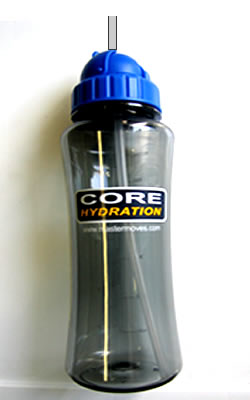
Bottle
This
special water bottle encourages the natural way to hydrate
your body. Adding Mother Nature minerals and vitamins to
your water will make your water alive and energized. The
three most important benefits of "Core Hydration"
are:
-
Natural assimilation of nutrients - Creating suction from
your month helps to mix the nutrients of the water with
your saliva.
-
Natural hydration - Drinking water throughout the day
with the straw eliminates unnecessary craving for food
or snacks.
-
Natural water retention - Carries nutrients and oxygen
to all cells in the body. Regulates body temperature and
body energy in a natural way.
IMPORTANT
FEATURES:
- The
cap is leakproof and the straw retracts when not in use,
to keep the drinking surface clean.
- The
Flip-Top Water Bottle fits easily in a backpack or briefcase,
for school, work or trips.
|
 |
|
.
Satisfied
clients report...
"I
have more energy and my dry skin is definitely moisturized.
The drinks recommended in the manual are very satisfying
and I actually look forward to drinking more water and
eating less than ever before in my life. I am not a
water drinker. Normally I just pass on drinking water
but this experience has changed me."
Peter B.
_____________________________________________________
"Impressive!
I have noticed a big difference in hydration. I drank
approximately 4 Core Hydration bottle during the day.
What I noticed is that I did not have a dry mouth during
the day, as I usually do. The built-in straw is
a great and fun idea. I drink water slowly whick makes
me feel good and relax."
Mary G.
_____________________________________________________
"I
love this water bottle! As a fitness consultant, I have
been very curious to track the changes in myself:
-
The water tastes much better with the rock salt recommended
in the manual and is very soft and natural on the tongue.
-
Drinking the Morning Juice every day produces a cleansing
reaction in the body, very effective!
- The morning stiffness and slight ache is totally gone!
- Now that I am seeping water during the day, my mouth
feels wet, hydrated, and healthy!"
John
F.
_____________________________________________________
"I
drive a lot;
so I used to drink bottled water on the road. I used
to drink plenty of water but but it made me feel sluggished.
The drinks from the manual are great. the cleansing
action kicks right in and it only takes about a day
to rehydrate and feel the diference. It's really wonderful!"
Sara
R.
_____________________________________________________
"The
results, the ease and low cost of this program will
ensure that I will continue the program well into a
strong and vital future."
Deen
F.
|
This
is just the tip of the iceberg in terms of benefits and results
our customers are reporting. Wouldn't it be great if
few weeks from now your testimonial appears here? But
in order to get to that point you have to try the system.
.
Here
is what you will receive when you order the The Core Hydration
Bottle:
|
Core Hidration Set
|
|
|
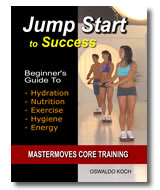
Jump
Start Core Training Booklet
Provides
a plan for practicing core hydration, core nutrition
and core exercises. As a result of this holistic program,
you will improve physical and mental strength and energy.
|
|
|
Core
Hydration Bottle
This
special water bottle encourages the natural way to hydrate
your body. Adding Mother Nature minerals and vitamins
to your water will make your water alive and energized.
|
|
|
Members
Club - Internet Access
After
you make your purchase, you will gain instant access
to The Core Training Club (private website). You will
gain a six month pass to a plethora of gifts from some
of the world's foremost experts and trainers on health,
wealth and happiness.
|
.
Today's
Special Price:
only
$19.95 (plus S&H)

All
prices are in US Dollars. We accept Visa, Mastercard, Discover,
and American Express credit cards. Your order is processed via
a secure online server provided by CCNow. Your information is
encrypted and totally secure.
For
more information read the following short articles:
|
Getting
Hydration Right
“Water
is the only drink for a wise man.”
-- Henry David Thoreau
Water
helps nearly every part of the human body function efficiently.
Considering that our bodies are almost two-thirds water,
it is important to understand water's role in healthy lifestyles.
The following are just some of the things water does in
the body:
- Brain
is 75% water / Moderate dehydration can cause headaches
and dizziness
- Water
is required for breathing
- Regulates
body temperature
- Carries
nutrients and oxygen to all cells in the body
- Blood
is 92% water
- Moistens
oxygen for breathing
- Protects
and cushions vital organs
- Helps
to convert food into energy
- Helps
body absorb nutrients
- Removes
waste
- Bones
are 22% water
- Muscles
are 75% water
- Cushions
joints
|
|
|
How
much water do I need?
Muscle tissue is comprised of over 70% water, and it serves
an important role in all cellular activity, so we would
say it's really important! A higher protein intake, so popular
with today's low-carb/high protein diets, requires more
water to help clear your body of waste products such as
ammonia and urea. Sweating from intense workouts also causes
you to dehydrate and lose more water.
-
Hydration
is very important for maintaining healthy skin.
-
Hydration
is the main solvent for vitamins and minerals.
-
If
you are getting dehydrated, your weight will drop from
the loss of water.
-
Hydration
is key to maintaining a healthy lifestyle. Hydration
is important for all people whether working, playing
sport, at home, socialising or simply going about a
busy day.
-
Hydration
is the most fundamental factor in wellness and has been,
to date, largely overlooked.
-
If
you are losing body salt and drinking too much plain
water without salt, you will gain weight
|
|
|
How
To Determine Your Water Needs:
To
stay adequately hydrated, multiply your bodyweight in pounds
by 0.55-that's about how much water you should drink in
ounces everyday. For example, a 200 lb. person needs about
110 ounces of water daily. This is about 10 to 12 glasses
of water depending on the size of the glass.
Advances
in modern technology provide us a clear picture of body
hydration levels.
The Digiweigh Infrared Body Fat & Body Water Scale makes
it possible to read body water as a percentage of overall
weight. Total body water (TBW) is a measurement of intracellular
and extracellular fluids in all compartments of the body.
Your optima hydration level is:
Women
- 55%-60%
Men - 60%-65%
|
|
|
How
To Hydrate with Chia Seeds
Chia Seeds are tiny black and white seeds that used to
be a staple food in Aztec and Mayan times. They are now
experiencing a resurgence in popularity due to their wonderful
health benefits. Chia
seeds are indeed a superfood. They have
-
2x
the amount of protein of any grains
-
3x
the amount of antioxidants of blueberries
-
5x
more calcium than milk
-
2x
the amount of potassium in a banana
-
3x
the iron of spinach
Chia seeds are also loaded with Omega 3 and Omega 6 fatty
acids and have trace amounts of boron, which is an essential
mineral to help transfer calcium to the bones.
|
|
|
|
Drink
Your Chia Seeds
You
can add chia seeds to a glass or bottle of water and drink
them. As a matter of fact you can add them to any beverage
you choose: tea, orange juice… anything. If you are adding
them to a liquid it is best to add them to the drink, stir
them up and let them sit just for a minute or two so that
the seeds have the opportunity to soak in the liquid.
You
can let them sit for longer. If you do they will turn into
chia gel which you can eat by the spoonful. The gel will still
taste like the drink you put them in and you can seal it in
a container and store it in the refrigerator to eat at a later
time. One
of the most common ways to eat chia seeds is to soak them.
They absorb large amounts of liquid very quickly, usually
within 10 minutes. You can make basic chia gel by adding 1/3
cup of seeds to 2 cups of water. Stir well so that there are
no clumps and then leave it in a jar with a lid and eat a
spoonful whenever you want.
Chia
seeds are definitely a great addition to your hydration and
diet. With a few spoonfuls a day added to your drinks or foods
you are already eating, you will soon start to notice the
great health benefits chia seeds have to offer.
|
 |
|
Water Meditation
Water
is the great purifier of life. Water is used to clean away
dirt. In addition to its cleansing qualities, water has a
meditating and powerful function. Have you heard about "The
power of intention"? This is what water meditation is
all about: this daily exercise will discipline your mind and
condition your subconscious to help create your mental reality.
Whatever your personal goals are, they will become more real
and powerful if you meditate and focus. your mind on your
goals while drinking water. Your thoughts create actions and
actions create reality.
-
As soon as you wake up in the morning, take one drinking
glass in each hand. Fill the glass in your left hand with
"Living Water" (see next page). The glass in your
right hand represents your mind; the glass in your left
hand represents your body.
-
Pour the water from glass to glass 10 times. Listen to the
sound: it provides a soothing and relaxing experience. Mentally
say "mind" as you pour the water from the left
glass into the right glass and say "body" as you
pour the water from the right glass into the left glass.
The back and forth pouring infuses the water with oxygen.
- Finish
by pouring all of the water into the right glass (representing
your mind), close your eyes and begin to drink the water
very slowly. While you are drinking, imagine becoming an
ideal person with the following attributes:
Gentleness - Moderation - Persistence - Optimism - Concentration
- Respect - Discipline
-
While breathing slowly, feel the fresh and positive energy
of the water flow through your body.
- 5.
Once you finish drinking the water, slowly open your eyes
and fill the right glass with "Living water" (read
the article "Living Water" at www.mastermoves.com).
-
Pour the water from glass to glass 10 times, saying "body"
as you pour the water from the right glass into the left
glass and "mind" as you pour the water into the
right glass.
-
Finish by pouring all of the water into the left glass (representing
your body). Close your eyes and begin to drink the water
very slowly. While you're drinking, imagine the ideal characteristics
of your body:
Relaxed - Flexible - Coordinated - Fast - Strong - Resistant
-
While breathing slowly, feel the fresh and positive energy
of the water flow through your body.
-
Once you finish drinking the glass of water do the following:
-Slowly open your eyes.
-Leave the glasses aside.
-Inhale deeply through your nose and hold your breath.
-Close your eyes
-Make a fist with your dominant hand.
-Imagine the accomplishment of your most important goal,
then bring your fist in front of your head and clench your
hand harder.
-Release your breath slowly and completely through your
nose.
-Open your eyes and look at your hand opening slowly and
visualizing your goal on the palm of your hand.
IMPORTANT:
To improve your visualization techniques read about Vision
Boards.
http://www.mastermoves.com/products/vision-boards.html
|
|
|
|
|
|