Once you have a general idea of the fitness levels required, and the areas which need work, a program must be developed to achieve these goals. This requires an understanding of the basic training principles. The following will serve as a basis for developing a rational program:
At Mastermoves, we seek out and find the best Core Training exercises, and integrate them in 15 minutes routines to develop lean core muscles. Every day, from home, you can harness your core muscle strength to:
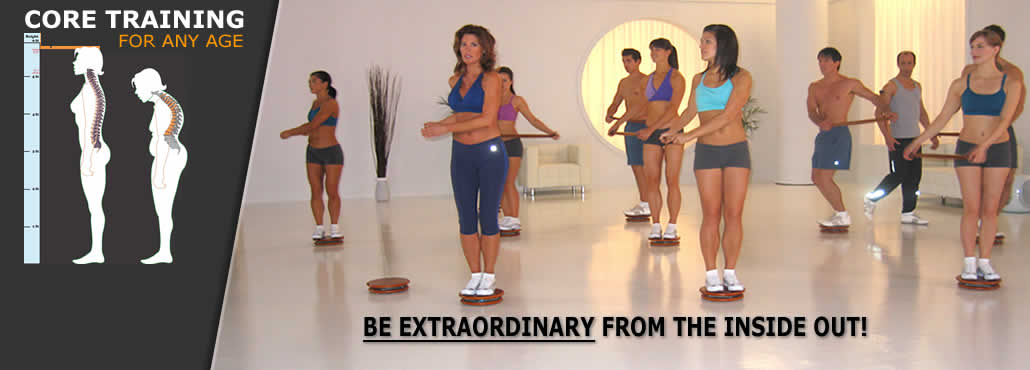
These natural principles are integrated in all 7 of the Mastermoves fitness programs:
Initially, you practice each program individually until you achieve your fitness goals. Later, you will practice all of the programs together in a weekly routine - a different program for each day of the week.
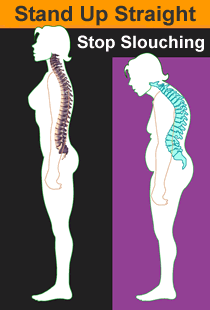
Motivation research shows that when we have a clear purpose for exercising, we’re more likely to exercise regularly. So why we should develop strong and lean core muscles. They will make it easier to do every activities, from getting out of bed, to walking down the street, swing a golf club, working, studying, or even bending down to tie your shoes. Strong core muscles are crucial to keep health and vitality. Weak core muscles can lead to more fatigue, less endurance and injuries.
 |
 |
 |
 |
|
|
|
|
|